
National Security & Public Safety Disclosure
NATIONAL SECURITY RISKS ASSOCIATED WITH CERTAIN SECURITY SCREENING TECHNOLOGIES
Public Interest Disclosure by Helpful Foundation (NGO)
Helpful Foundation places this disclosure in the public interest, with the objective of promoting awareness, transparency, and informed policy decision-making regarding the deployment of security screening technologies at critical infrastructure locations in India. This document is based on publicly available information, international assessments, and policy discussions, and is not intended to make definitive legal findings.
Entity Referenced in Public Discussions
WEVIEW TECHNOLOGIES PRIVATE LIMITED
(Formerly known as Nuctech / Nucetech Security Solutions)
- CIN: U74999HR2017PTC067892
- Date of Incorporation: 27 February 2017
- Registered Office: Gurugram, Haryana, India
Previous Names:
- Nucetech Security Solutions Pvt. Ltd.
- Nuctech India Private Limited
Public domain information indicates that the company supplies X-ray, screening, and detection systems that are reportedly installed at airports and other sensitive facilities in India, where enhanced security and data protection standards are essential.
Ownership & International Linkages (As Reported Publicly)
Based on publicly available corporate and media records:
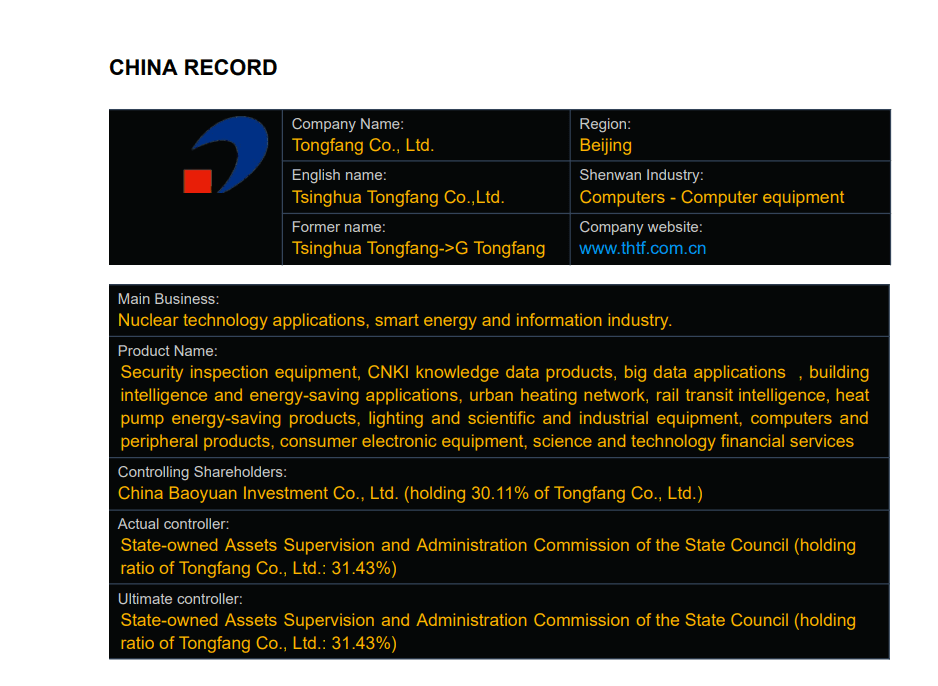
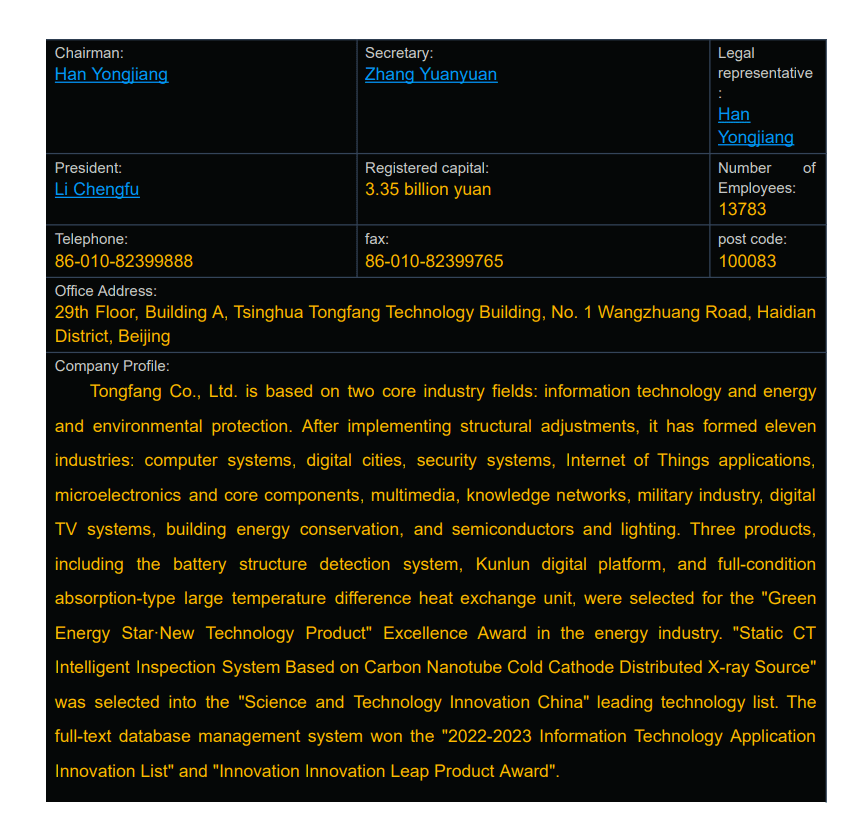
- Weview Technologies Pvt. Ltd. is reported to be affiliated with Tsinghua Tongfang Co., Ltd.
- Tsinghua Tongfang Co., Ltd. has been reported to have ownership links with China National Nuclear Corporation (CNNC), a Chinese state-owned enterprise
- CNNC is widely reported to operate under oversight mechanisms of the Chinese State
Such ownership structures have led to policy-level scrutiny in multiple jurisdictions, particularly when technology is deployed in critical infrastructure environments.
Background on International Founder Entity (Publicly Reported)
- The original Nuctech entity was founded in 1997 by Hu Haifeng, son of former Chinese leader Hu Jintao
- Public reports indicate that Nuctech later came under ownership or control linked to Chinese state-owned enterprises
These historical linkages have been referenced internationally in discussions around governance, influence, and oversight of security technology vendors.
Key Areas of Public and Policy Concern
1. State Linkages and Strategic Influence
International assessments have noted that certain security technology providers maintain close relationships with their home governments, sometimes reinforced by national laws that may require corporate cooperation with state authorities.
This raises policy questions regarding:
- Independence of operational control
- Long-term governance of deployed systems
- Strategic influence over critical infrastructure technologies
2. Data Security and Sovereignty Risks
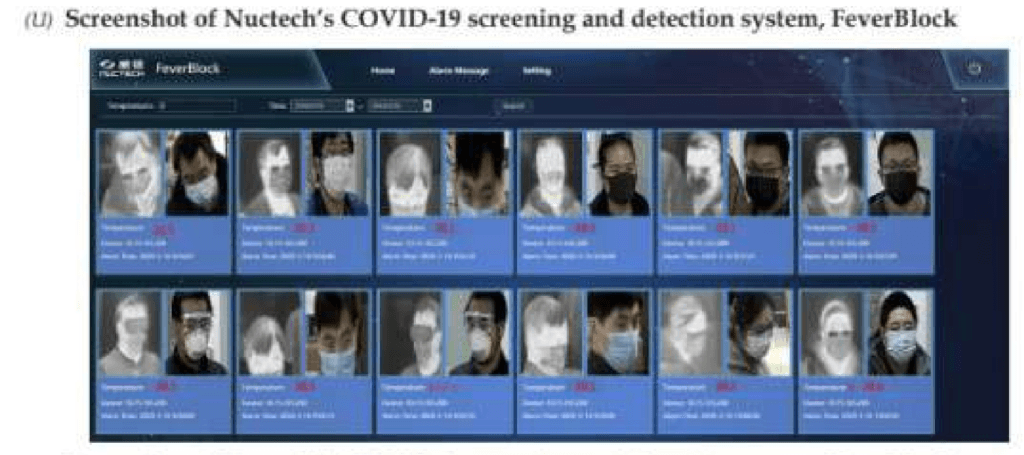
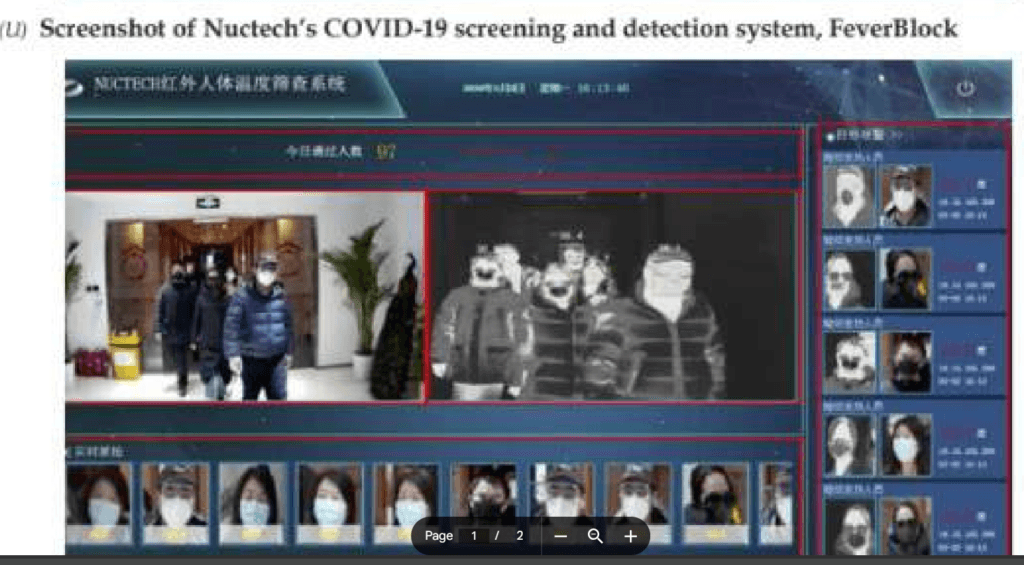
Security screening systems inherently process sensitive information related to:
- Passenger movement and identity
- Cargo and logistics flows
- Security protocols and threat detection
Concerns raised internationally include:
- Data storage and transmission practices
- Remote maintenance or access mechanisms
- Lack of transparency regarding software, firmware, or algorithmic control
3. International Experience and Precedents
Several countries, including the United States and Canada, have publicly acknowledged restricting or reviewing the use of certain foreign-manufactured security screening systems due to national security and counterintelligence considerations.
Media and audit reports in multiple jurisdictions have cited:
- Technical malfunctions or reliability issues
- Cybersecurity and access-control concerns
- Limited visibility into maintenance and update processes
4. Deployment in Sensitive Indian Infrastructure
Public records and official communications indicate that systems associated with the referenced entities have been deployed under valid contracts at Indian airports and other sensitive locations, with maintenance access sometimes granted within controlled security zones.
This underscores the importance of continuous and independent oversight.
Appeal in the Public Interest
Helpful Foundation respectfully urges the Government of India and relevant authorities to consider:
- A comprehensive national security and cybersecurity audit of all foreign-linked security screening technologies deployed at:
- Airports and ports of entry
- Border and customs facilities
- Defence-linked and strategic locations
- Review of:
- Data storage and transmission pathways
- Remote access and maintenance protocols
- Source code, firmware, and update control
- Alignment of public procurement with:
- National security imperatives
- Data sovereignty principles
- India’s strategic autonomy objectives
Our Foundation’s Position
We believe that:
- Public safety and civil liberties must advance together
- Technology used in public spaces must meet the highest standards of ethics, transparency, and accountability
- Independent security, privacy, and ethical audits should be a prerequisite for sensitive technology deployment
Recommendations
For Institutions and Policymakers:
- Conduct independent technical and cybersecurity evaluations
- Mandate transparency on data handling and system access
- Ensure procurement processes are competitive, ethical, and security-aligned
- Implement strong privacy and consent safeguards
- Periodically review technologies already in use
For the Public:
- Stay informed about technologies used in public spaces
- Support policies protecting data privacy and digital rights
- Engage with civil society initiatives promoting technology accountability
About Helpful Foundation
Helpful Foundation is a non-profit initiative committed to:
- Public education and awareness
- Digital rights and data privacy
- Ethical and accountable use of technology
- Strengthening trust between institutions and communities
Our work is grounded in research, public reporting, and the public interest.
Disclaimer: This document is intended solely for public awareness and policy discussion. It does not constitute a legal determination, accusation, or finding against any entity or individual.